



The Role of BMS Parts and HVAC Products in Modern Buildings
In today's commercial real estate landscape, the integration of smart building technology is no longer a luxury—it is an operational necessity. At the heart of this technological evolution are Building Management Systems (BMS) and specialized HVAC Products. Together, these systems regulate indoor air quality, maintain thermal comfort, and optimize energy consumption across expansive facilities.
For facility managers, system integrators, and mechanical engineers, sourcing reliable BMS Parts is critical to maintaining system uptime. High-quality sensors, controllers, and actuators act as the nervous system of a commercial property. When these components communicate seamlessly, buildings consume less energy, reduce mechanical wear and tear, and provide a healthier indoor environment for occupants. Investing in robust hardware ensures that your automated HVAC systems perform reliably under varying seasonal loads.
Essential Categories of BMS Parts
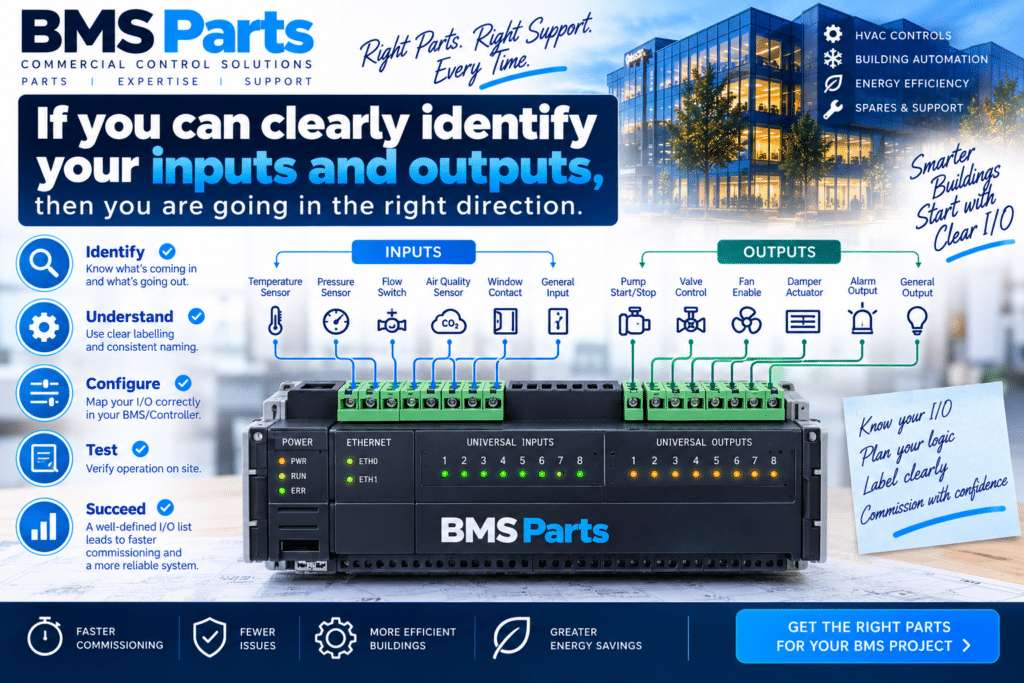
A functional Building Management System relies on a continuous loop of input, processing, and output. To build or maintain an efficient system, professionals must understand the core categories of hardware that keep this loop operational.
Sensors and Transmitters
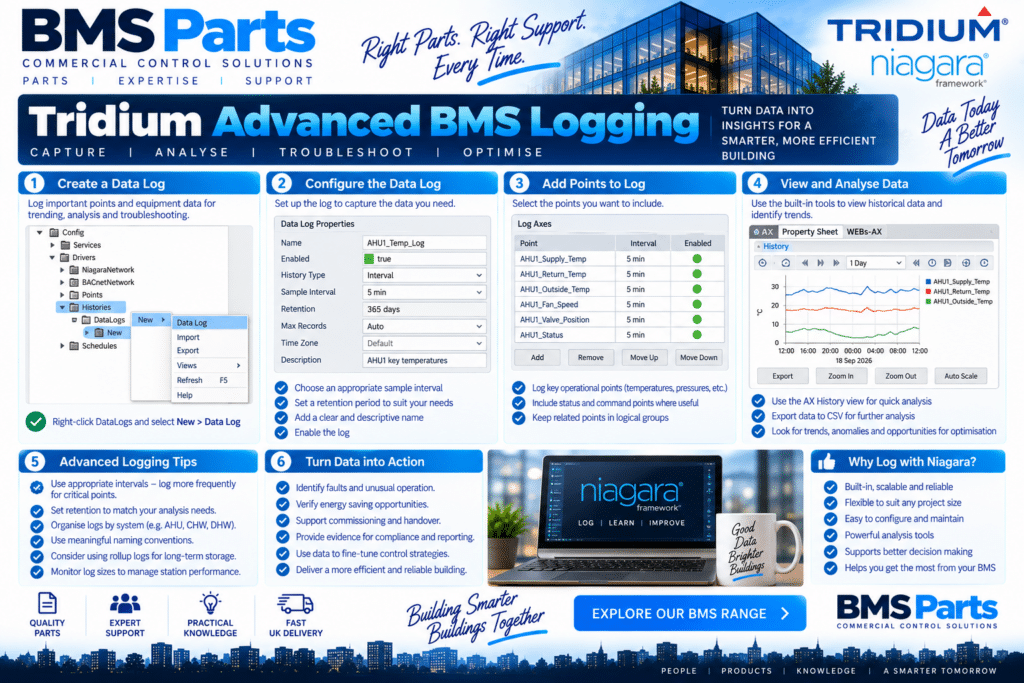
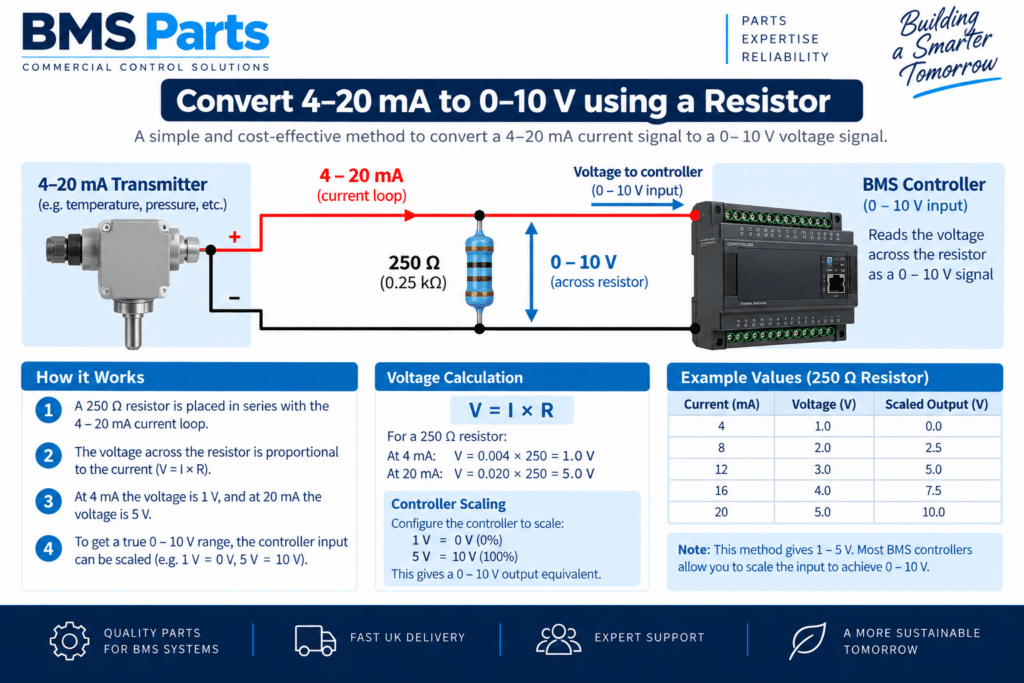
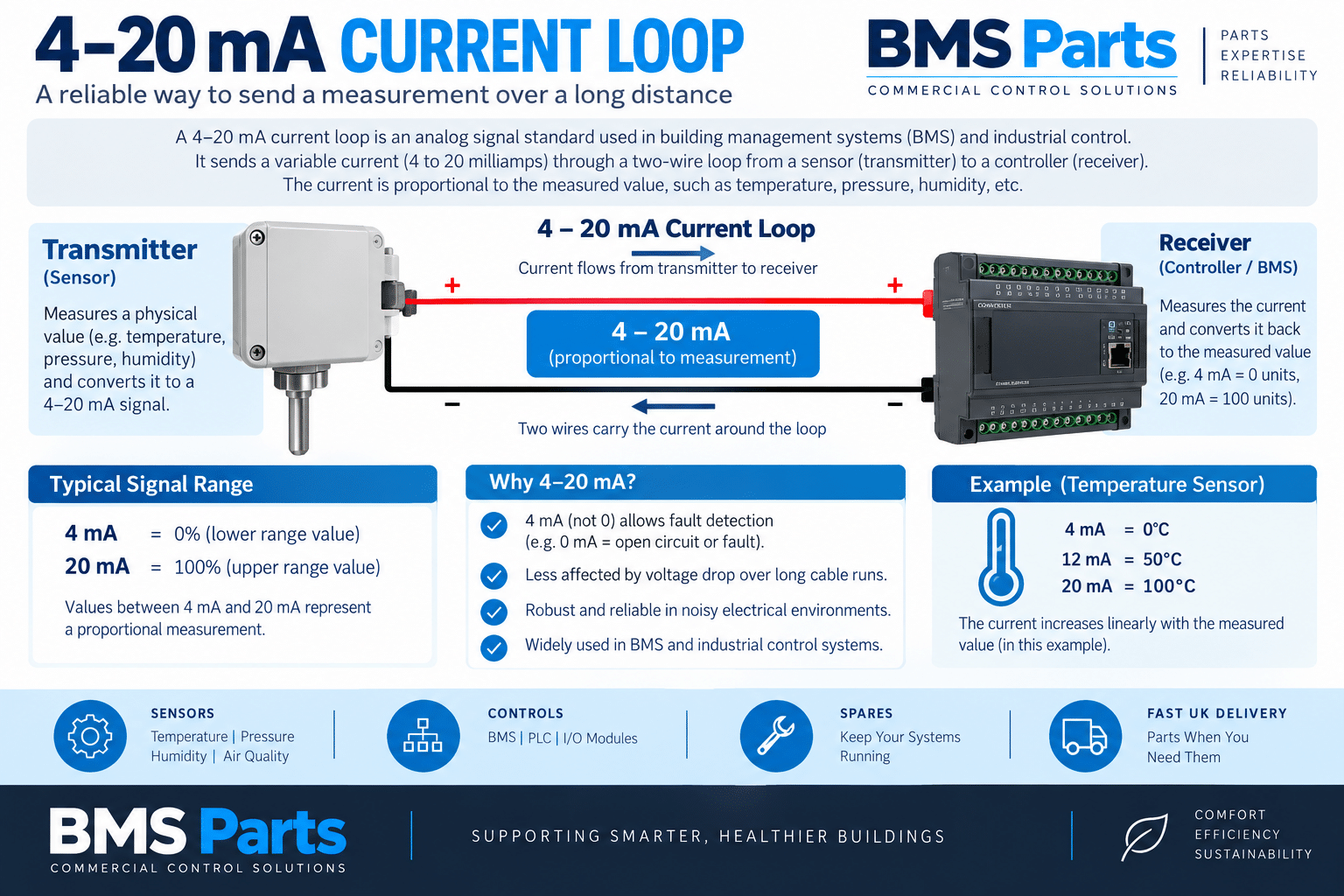
Sensors are the primary input devices of any environmental control loop. They measure physical conditions and convert them into electrical signals for processing. High-accuracy environmental sensors are essential for tracking temperature, relative humidity, carbon dioxide (CO2) levels, and static pressure. For hydronic heating and cooling systems, immersion sensors provide real-time water temperature data, allowing the system to adjust heating and cooling curves dynamically.
DDC Controllers
Direct Digital Control (DDC) controllers serve as the brain of the BMS. These programmable microprocessors receive input signals from sensors, process the data based on pre-defined control logic, and send output commands to mechanical equipment. Modern DDC controllers feature modular designs, allowing engineers to scale input/output (I/O) points as facility requirements expand.
Actuators and Control Valves
Actuators and control valves represent the physical execution layer of the system. When a controller determines that a zone requires more cooling, it signals a valve actuator to modulate the flow of chilled water. High-torque damper actuators regulate fresh air intake, while motorized control valves manage hydronic distribution. Selecting high-performance actuators and valves prevents hunting—a condition where valves constantly open and close, leading to premature mechanical failure.
Key HVAC Products for System Integration
While BMS components provide the intelligence, heavy-duty HVAC hardware performs the physical work of heating, cooling, and moving air. Successful system integration requires perfect alignment between these two product groups.
- Variable Speed Drives (VSDs): Also known as variable frequency drives, these devices regulate the speed of electric motors in fans and pumps. By modulating motor speed based on real-time demand rather than running at constant full capacity, VSDs significantly reduce electrical consumption.
- Air Dampers and Louvers: These physical barriers control the volume and direction of airflow within ductwork. When paired with precise actuators, they facilitate demand-controlled ventilation (DCV), bringing in outdoor air only when occupancy levels require it.
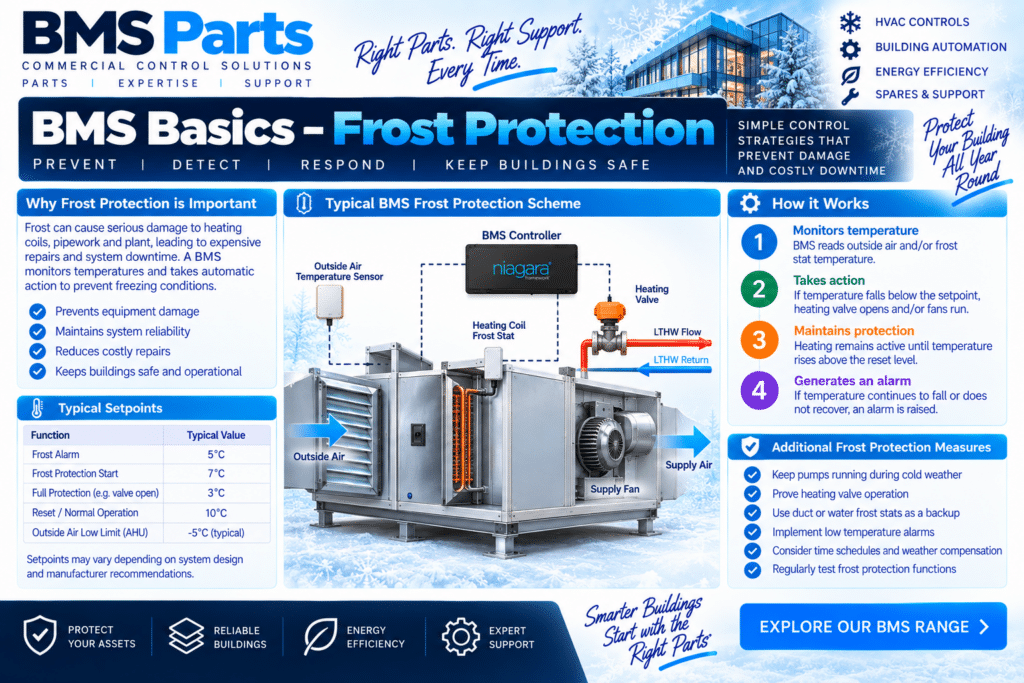
- Safety and Limit Devices: Protecting expensive mechanical equipment is paramount. Low-limit freeze protection thermostats (freeze stats), duct smoke detectors, and high-pressure cutout switches act as hardwired safety overrides to prevent catastrophic system damage.
Compatibility, Protocols, and Selection Criteria
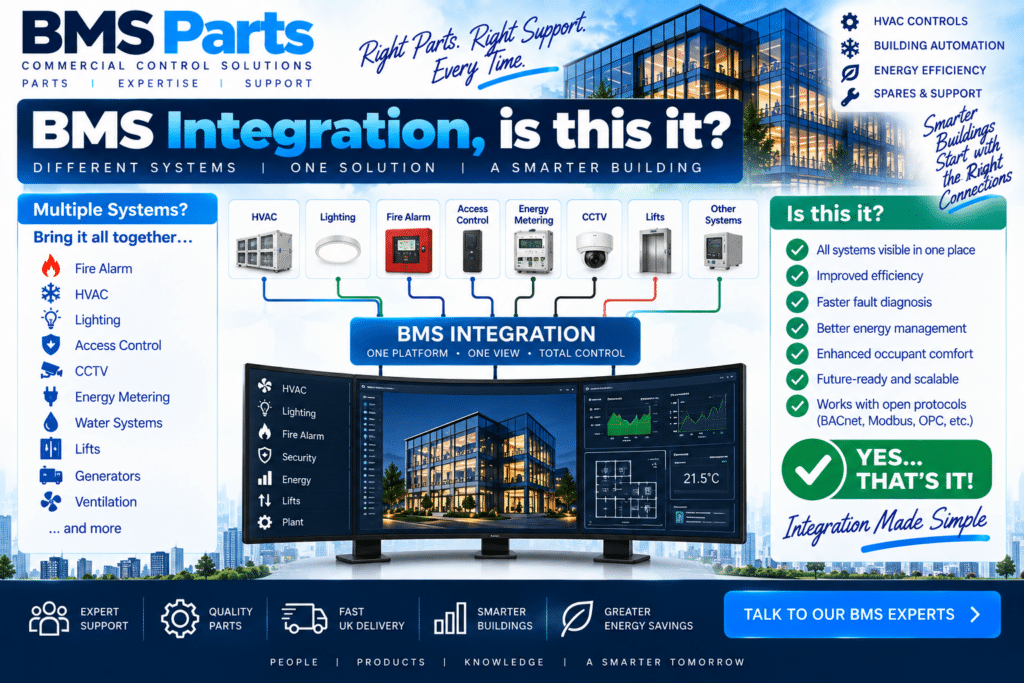
One of the greatest challenges in modern building automation is system interoperability. When sourcing BMS Parts and auxiliary HVAC Products, engineers must prioritize protocol compatibility. Legacy proprietary systems often lock operators into expensive, single-source maintenance contracts. Modern installations favor open-protocol systems that allow cross-brand communication.
"Interoperability is the cornerstone of sustainable building design. Utilizing open protocols ensures that your facility remains adaptable to future technological advancements without requiring a complete system overhaul."
The most widely adopted open protocols in the industry include:
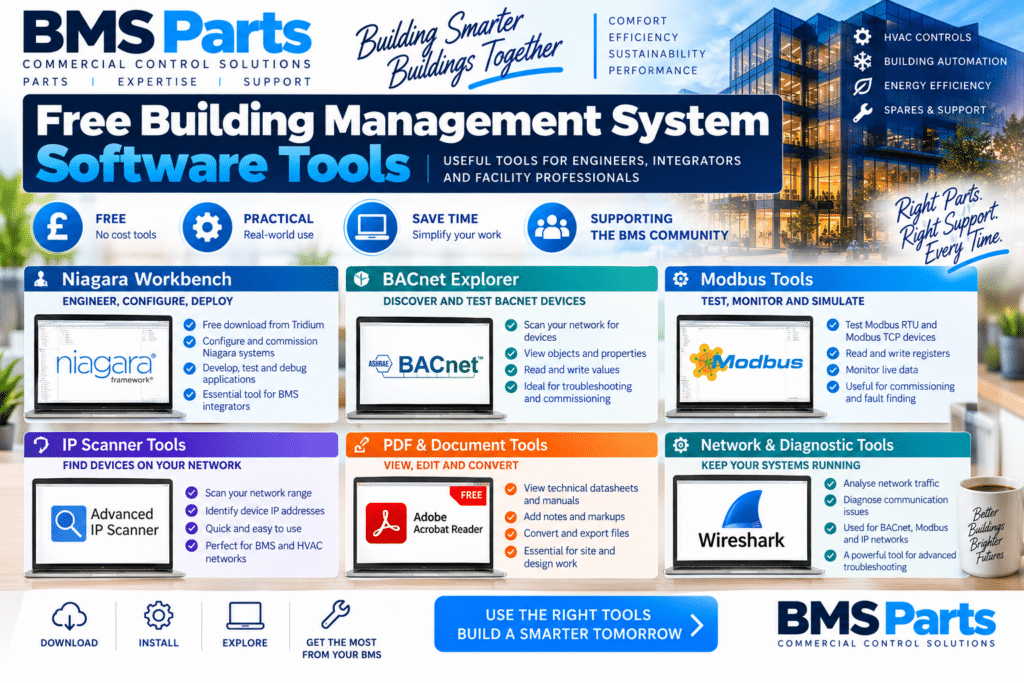
- BACnet (Building Automation and Control networks): The industry standard for building automation, designed specifically to allow communication between different manufacturer systems over MS/TP (serial) or IP (Ethernet).
- Modbus: A simple, robust protocol frequently used for integrating power meters, variable speed drives, and specialized sensor arrays into the primary BMS.
- LonWorks: An open standard control network platform designed for high-reliability device-to-device communication in complex industrial environments.
Before purchasing replacement parts or expansion modules, always verify the protocol profile, baud rate, and device profiling to ensure seamless network integration.
Optimizing Performance and Energy Efficiency
Upgrading individual components within an HVAC system can yield immediate energy savings. For example, replacing standard, non-communicating valves with pressure-independent control valves (PICVs) ensures that flow rates remain stable regardless of pressure fluctuations in the system. This prevents overflows, optimizes chiller and boiler efficiency, and eliminates hot and cold spots throughout the building.
Furthermore, integrating smart environmental sensors that monitor both temperature and occupancy allows the BMS to implement setback schedules automatically. When a conference room or office zone is unoccupied, the system reduces ventilation and tempers energy usage, delivering rapid return on investment (ROI) for the hardware upgrade.
Source Your Professional BMS and HVAC Components
Maintaining a commercial facility requires a reliable supply chain of high-performance components. Whether you are executing a complete system retrofit, expanding an existing control network, or performing routine preventative maintenance, having access to compatible parts is key to operational success.
Explore our comprehensive catalog of commercial-grade control equipment, or contact our dedicated engineering support team to discuss your specific project requirements, protocol integration challenges, or volume ordering needs.




0 Comments